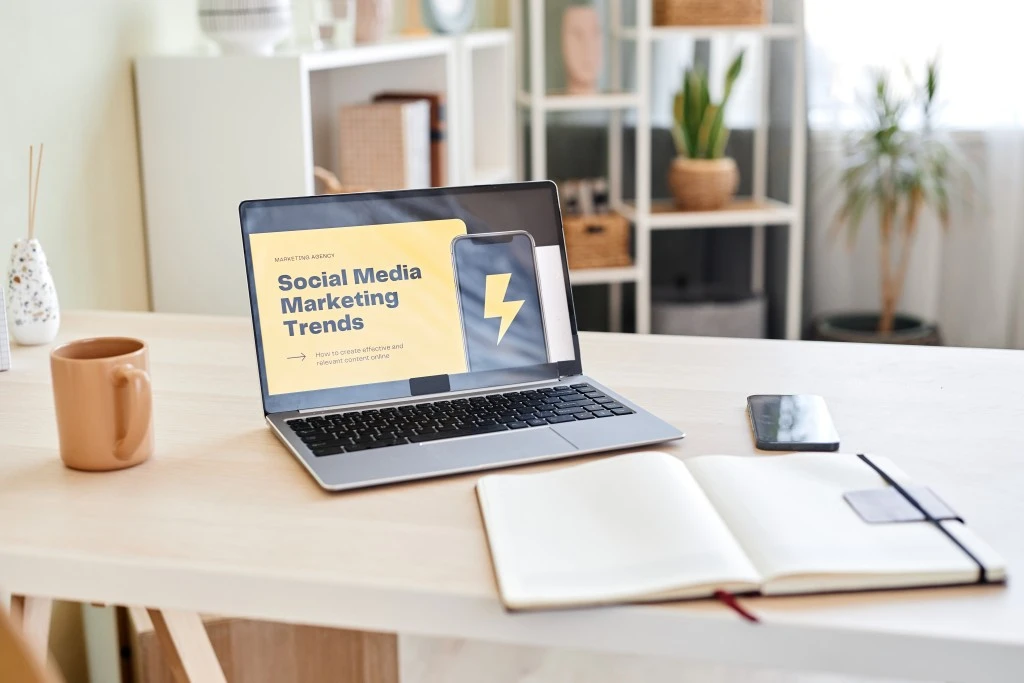
In 2026, social media is no longer just a marketing channel—it is a critical driver of brand growth, customer engagement, and revenue. For small and large businesses alike, posting randomly on multiple platforms without a plan is a recipe for wasted resources. A successful social media strategy aligns every post, campaign, and interaction with your business objectives, ensuring that your efforts generate measurable results.
Crafting a strategy that works requires more than following trends; it involves understanding your audience, selecting the right platforms, producing high-quality content, and continuously measuring performance. Let’s break down the key steps to create a social media strategy that drives results in 2026.
1. Start with Clear Business Goals
Before planning content, you must define what your business wants to achieve through social media. Goals may include:
- Increasing brand awareness
- Driving website traffic
- Generating leads or sales
- Building a community or loyalty
- Enhancing customer support
Your social media goals should align with your overall business objectives. According to Sprout Social, companies that tie social media metrics directly to business goals see up to 38% higher ROI from their campaigns.
2. Understand Your Audience
A strategy is only effective if it reaches the right people. Audience research in 2026 goes beyond demographics—it includes:
- Interests and behaviors
- Purchase intent
- Platform preferences (e.g., TikTok, Instagram, LinkedIn, or emerging AR/VR social spaces)
- Content consumption patterns (video, stories, live streams, interactive polls)
Tools like Meta Audience Insights and LinkedIn Analytics can help you identify audience segments that are most likely to engage and convert.
3. Audit Existing Social Media Performance
Before creating a new strategy, evaluate current performance. Identify what’s working and what isn’t by tracking:
- Engagement rates (likes, comments, shares)
- Click-throughs to your website or landing pages
- Follower growth and retention
- Conversion metrics
Auditing your performance helps allocate resources efficiently and ensures your strategy builds on past successes rather than repeating mistakes.
4. Choose the Right Platforms
In 2026, not every platform is suitable for every business. Each has unique characteristics, audiences, and best practices:
- Instagram & TikTok: Ideal for visual storytelling, short-form video, and influencer collaborations.
- LinkedIn: Best for B2B marketing, thought leadership, and professional networking.
- YouTube: Excellent for long-form video content, tutorials, and educational resources.
- Emerging AR/VR platforms: Opportunities for immersive brand experiences.
Focusing on the right platforms ensures your content reaches high-intent users rather than spreading resources thin across multiple channels.
5. Develop Content That Supports Goals
Content drives engagement, but in 2026, it must be purposeful, authentic, and data-driven. Consider:
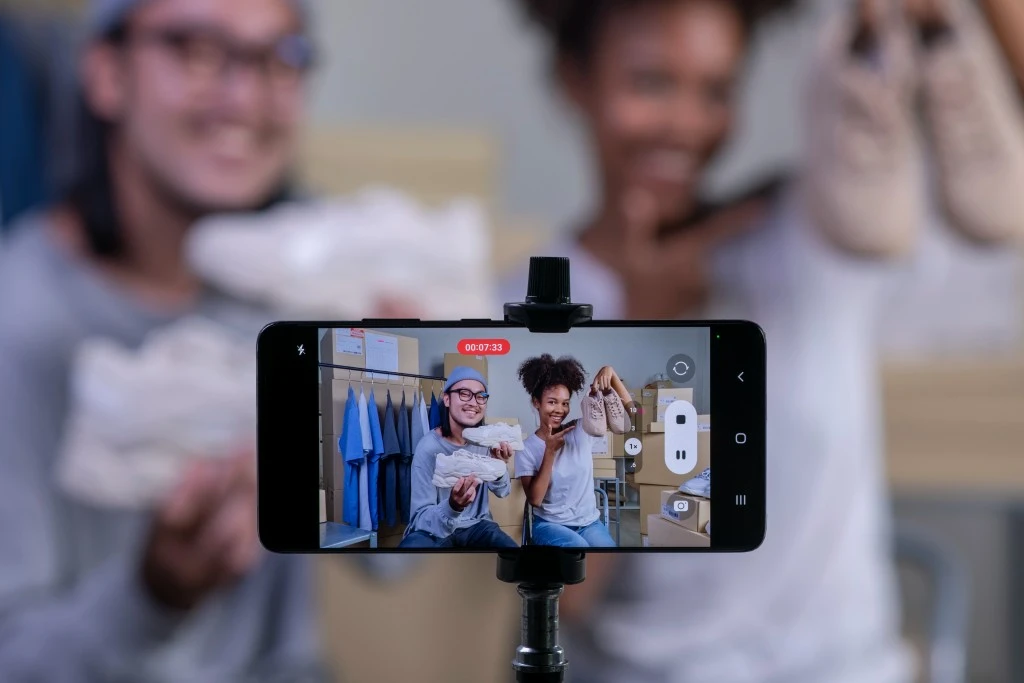
- Video content: Dominates attention spans; short-form and live streams perform especially well.
- Interactive posts: Polls, quizzes, AR filters, and gamified content increase engagement.
- Educational content: How-to guides, tutorials, and industry insights build trust and authority.
- User-generated content (UGC): Encourages community participation and social proof.
To maximize impact, create content pillars that align with business objectives. For example, a local café may focus on community stories, menu highlights, and sustainability initiatives.
6. Plan a Posting Schedule and Frequency
Consistency is key in 2026, but quality matters more than quantity. Analyze when your audience is active and tailor your posting schedule accordingly. Tools like Buffer and Hootsuite allow you to automate posts and maintain regular engagement without overwhelming your team.
7. Leverage Paid Social Advertising Strategically
Organic reach continues to decline on many platforms, making paid social essential for visibility. Paid campaigns in 2026 should:
- Be targeted to high-intent audiences using AI-driven platform tools
- Test ad creatives through A/B experiments
- Align messaging with overall business goals and organic content strategy
According to WordStream, businesses that integrate paid and organic strategies see up to 50% higher engagement than those relying on either approach alone.
8. Monitor, Analyze, and Iterate
Social media strategy is not static. Regular analytics reviews are essential to ensure that goals are being met. Key metrics include:
- Engagement per post and per content type
- Website traffic and conversion from social channels
- Follower demographics and growth trends
- ROI of paid campaigns
Adjust your strategy based on insights. For example, if video content drives higher engagement than static images, allocate more resources toward video production.
9. Integrate Social Media with Other Marketing Channels
Social media should support broader marketing initiatives, including:
- SEO: Share blog posts to boost traffic and backlinks
- Email marketing: Promote lead magnets and newsletters
- Offline campaigns: Encourage in-store visits or event participation
Integrated strategies ensure social media amplifies overall marketing efforts and contributes directly to measurable business outcomes.
10. Stay Updated on Emerging Trends
Social media in 2026 is evolving rapidly. Staying informed about trends and platform updates ensures your strategy remains relevant. Key trends include:
- AI-generated content and smart scheduling
- Shoppable posts and social commerce integration
- AR/VR experiences for immersive marketing
- Voice search and smart assistant interactions
Following trends allows businesses to experiment and innovate, maintaining a competitive edge.
Tips for Executing a Successful Social Media Strategy
- Set SMART goals: Specific, Measurable, Achievable, Relevant, Time-bound
- Focus on high-impact platforms: Don’t spread resources too thin
- Use analytics tools: Leverage data for decisions and optimizations
- Invest in quality content: Prioritize engagement over volume
- Engage authentically: Respond to comments, messages, and mentions to foster trust
Final Thoughts
Creating a social media strategy that aligns with business goals in 2026 is about more than posting regularly—it’s about intentional, data-driven, and goal-oriented planning. Businesses that combine clear objectives, audience understanding, platform selection, high-quality content, and performance tracking will maximize ROI and achieve measurable growth.
Social media is a dynamic ecosystem. By integrating analytics, trends, and user behavior into your strategy, businesses can stay ahead of the competition, build meaningful connections, and drive tangible results.
Ready to turn your social media channels into a growth engine for your business?
Great Scott Marketing helps businesses design and implement social media strategies that are aligned with their goals, measurable, and future-proof for 2026 and beyond.
0 Comments